![GMG Logo [white]](https://greatermediagroup.net/wp-content/uploads/2025/06/GMG-Logo-white-300x168.png)

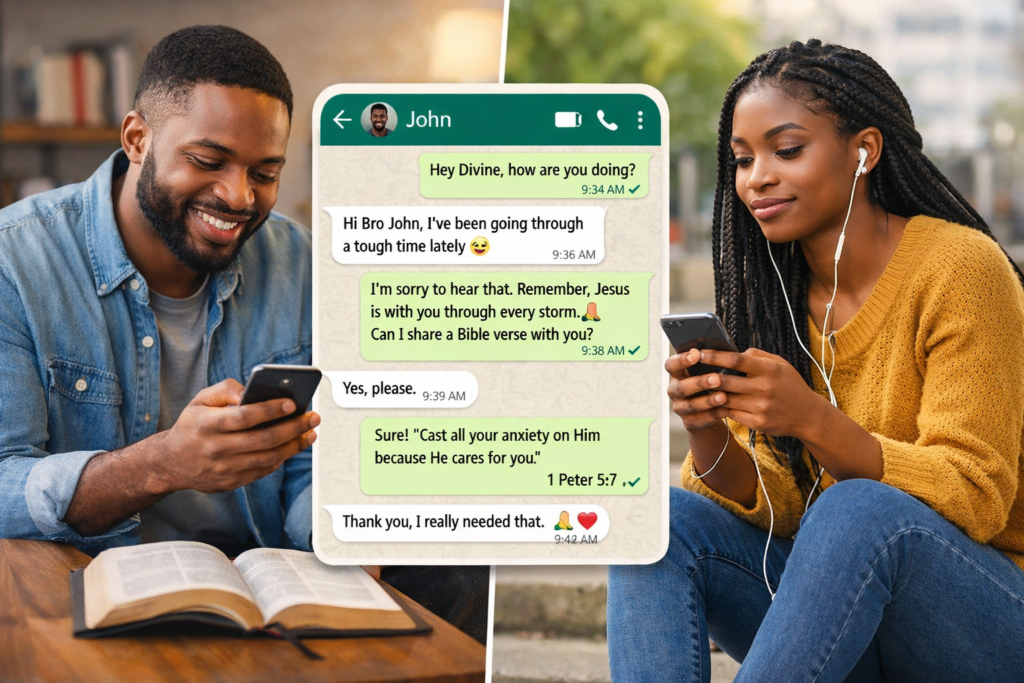
The mission of the Church has always remained the same: to reach the lost, disciple believers, and expand the Kingdom of God. What has changed is the environment where this mission now takes place. We live in a world shaped by screens, social platforms, and constant digital interaction. People learn, connect, and form opinions online every single day. In this reality, digital evangelism is no longer optional; it is a necessary extension of global ministry. Churches that embrace media are not simply following trends; they are stepping boldly into a modern mission field. When used wisely, digital platforms become powerful tools for influence, discipleship, and lasting spiritual impact.
What Is Digital Evangelism?
Digital evangelism is the intentional use of online platforms and media tools to share the message of Jesus Christ. It includes sermons, devotionals, testimonies, blog posts, short videos, podcasts, and other faith-based content created to reach people wherever they are. Unlike traditional outreach methods that depend on physical gatherings, digital evangelism removes geographical limits. A message preached in one city can encourage someone across the world within seconds.
In simple terms, digital evangelism turns the internet into a mission field. Every post, video, or article becomes an opportunity to introduce someone to Christ or strengthen the faith of a believer. The digital space is not separate from ministry; it is an extension of it.
Why Digital Evangelism Matters in Today’s World?
Global Connectivity
Today, billions of people use social media platforms daily. Networks such as Facebook, Instagram, YouTube, and TikTok shape culture, conversations, and identity. The Church cannot ignore the spaces where people spend most of their time. If discussions about purpose, identity, fear, and hope are happening online, then the voice of faith must be present there as well. Digital evangelism allows churches to enter these conversations with truth and compassion.
Accessibility to the Unchurched
Many people may hesitate to walk into a church building, but they are open to exploring faith online. Watching a sermon privately, reading a blog post, or listening to a podcast can feel less intimidating. Digital platforms provide a gentle entry point into spiritual discovery. Through consistent online presence, churches can reach individuals who may never attend a physical service initially.
Continuous Engagement Beyond Sunday
Church is no longer limited to a Sunday gathering. Through blogs, short videos, livestreams, and devotionals, churches can remain present in the daily lives of their members and followers. Instead of spiritual encouragement once a week, believers can receive guidance throughout the week. Digital evangelism creates ongoing connection and consistent spiritual nourishment.
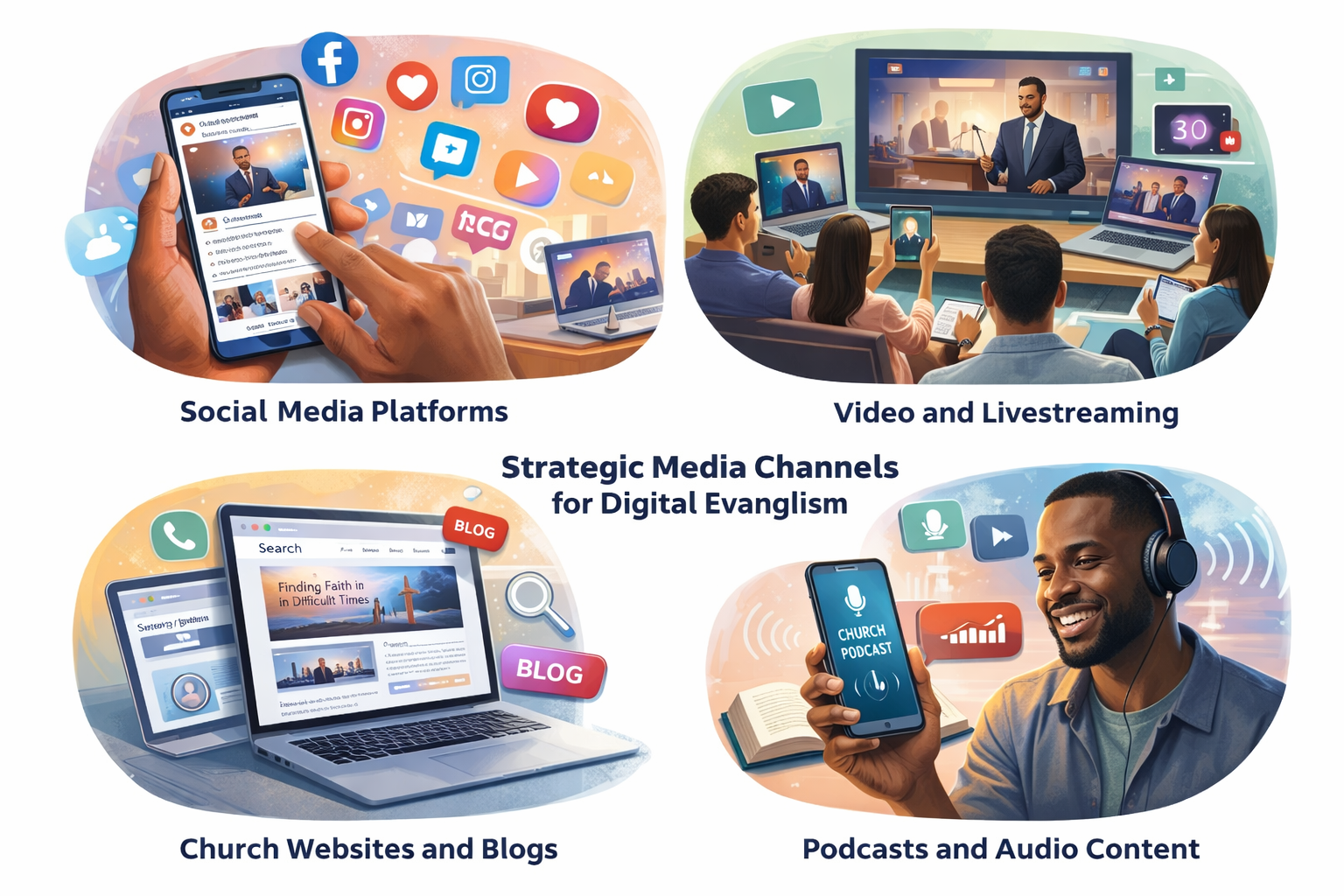
Strategic Media Channels for Digital Evangelism
Social Media Platforms
Social media offers immediate access to diverse audiences. Churches can share sermon highlights, post inspirational teachings, publish testimonies, host live prayer sessions, and engage in meaningful conversations. The key to success is consistency and authenticity. Audiences respond to content that adds value and speaks to real needs rather than content that feels purely promotional. When churches communicate with sincerity, people listen.
Video and Livestreaming
Video content has become one of the most powerful tools for digital outreach. Livestreamed services allow viewers to participate in worship from anywhere in the world. Short-form videos, especially those between 30 and 90 seconds, increase visibility and shareability. Clear audio, good lighting, and intentional engagement improve trust and viewer retention. When people can see and hear clearly, they are more likely to stay connected.
Church Websites and Blogs
A well-designed website serves as the digital home of a church. It provides information, resources, and clarity for visitors. Blogging, in particular, strengthens search engine visibility and helps churches address relevant life topics such as faith during crisis, spiritual growth, relationships, and purpose. Unlike social media posts that quickly disappear, blog articles remain searchable for years, continuously attracting new readers.
Podcasts and Audio Content
Podcasts allow ministry to travel into daily routines. People can listen during commutes, workouts, or quiet personal moments. Audio content creates space for deeper teaching and reflection. Through podcasts, churches extend spiritual conversations beyond the walls of a building and into everyday life.
Content Strategies That Drive Engagement and Growth
Address Real Human Needs
Effective digital evangelism speaks directly to real-life struggles. Topics such as anxiety, grief, identity, purpose, and hope connect deeply with audiences. When churches answer genuine questions with biblical truth and compassion, they build trust. Relevance does not mean compromising the message; it means applying timeless truth to present realities.
Use Clear and Searchable Language
Clarity improves both readability and visibility. Titles like “How to Strengthen Your Faith in Difficult Times” or “Biblical Guidance for Overcoming Fear” reflect common search queries. When content is simple, direct, and easy to understand, it becomes more accessible to a wider audience.
Maintain Consistent Publishing Schedules
Irregular posting weakens online visibility. Consistency signals reliability to both followers and search engines. A structured content calendar helps churches stay organized and sustainable. Steady communication builds anticipation and trust.
Encourage Interaction
Digital evangelism should not be one-sided. Churches should respond to comments, invite prayer requests, encourage sharing, and provide follow-up resources. Engagement deepens relationships. When people feel heard, they are more likely to stay connected.
Building a Digital Discipleship Pathway
Evangelism should lead to transformation. Online visibility alone is not enough. Churches must create clear next steps for spiritual growth. This can include invitations to online Bible studies, downloadable devotionals, email newsletters, virtual prayer meetings, and opportunities to connect physically with the church community.
Without a discipleship pathway, digital outreach may generate attention but not lasting impact. Intentional follow-up ensures that online encounters lead to deeper faith and long-term commitment.
Challenges in Digital Ministry
Digital evangelism comes with challenges such as content saturation, changing algorithms, and short attention spans. Many voices compete for attention online. However, these obstacles can be overcome through creativity, clarity, and a strong sense of purpose. Instead of chasing trends, churches should focus on authentic, spiritually grounded content that stands out because it is meaningful and sincere.
The Future of Church Growth in a Digital Age
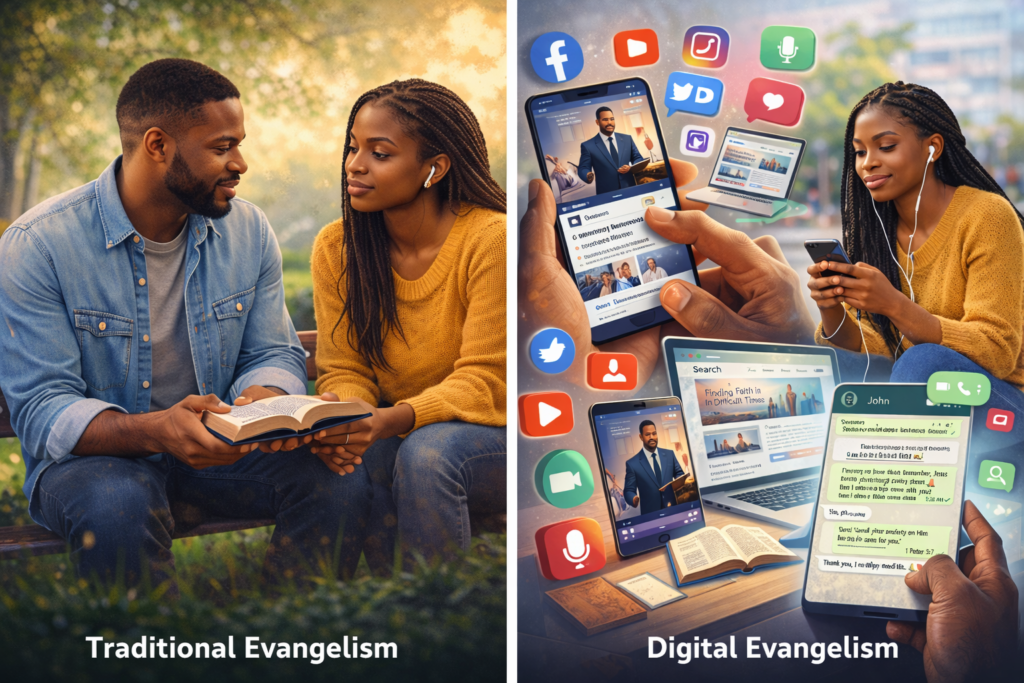
Digital evangelism does not replace traditional ministry; it expands it. Physical gatherings remain essential for fellowship and community. Yet digital platforms extend the reach of those gatherings far beyond walls and borders. Churches that use media strategically position themselves for sustainable growth and global influence.
The digital world is not separate from the mission field. It is part of it. Every screen represents a soul, every platform a potential testimony, and every post an opportunity for transformation. Digital evangelism is not about following trends; it is about stewarding modern tools for eternal impact. When churches embrace this responsibility with wisdom and intention, they can reach more souls than ever before.